
Everyone experiences challenging behaviour at times—whether it’s a child having a meltdown, a teenager refusing to follow instructions, or someone withdrawing from others. These behaviours can be tough to manage, especially when they happen often.
Many people try to deal with these behaviours using punishment or strict rules. But these methods don’t always work in the long run. That’s where Positive Behaviour Support (PBS) comes in.
What Is PBS?
Positive Behaviour Support (PBS) is a respectful and practical way to help people with behaviour challenges. Instead of focusing on punishment, PBS looks at why the behaviour is happening and helps the person learn better ways to cope, communicate, and feel safe.
PBS is used in many places:
- At home: A parent might use PBS to help their child stay calm during bedtime by creating a relaxing routine with soft music and a visual schedule.
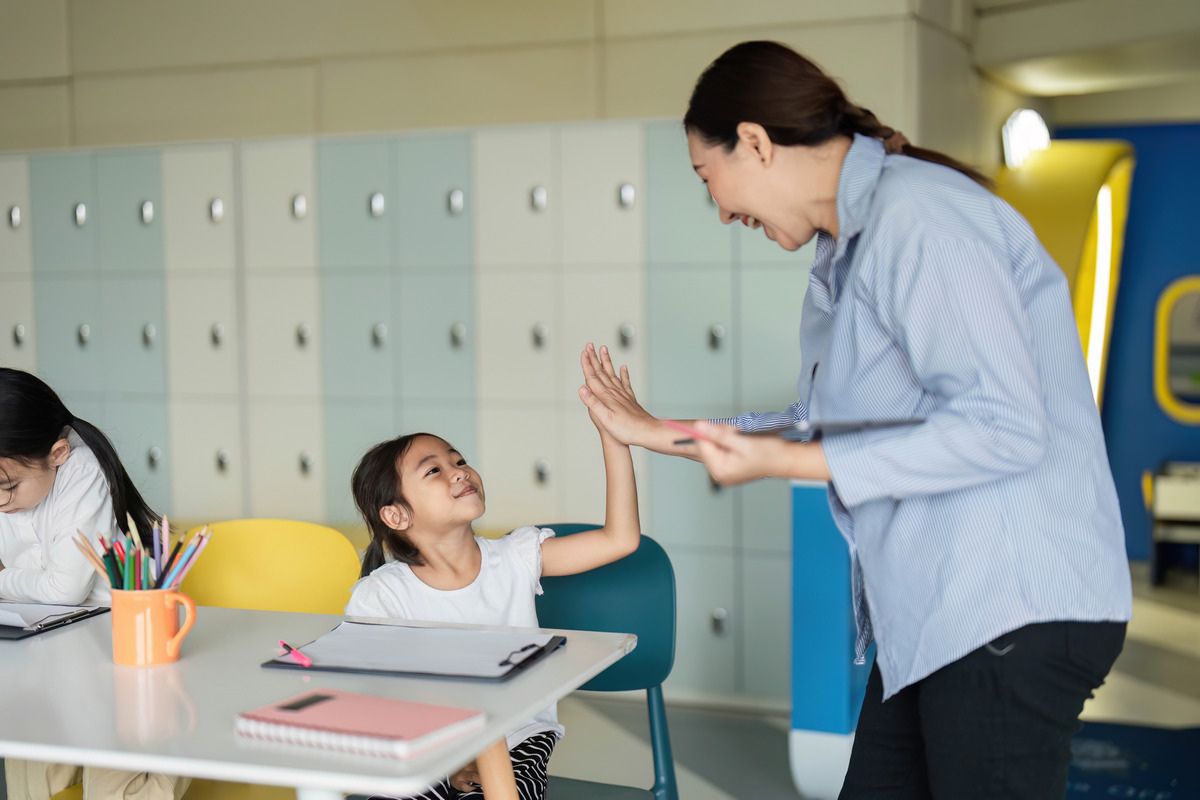
- At school: A teacher might use PBS to support a student who gets anxious during noisy assemblies by offering noise-cancelling headphones or a quiet space.
- In disability support: A support worker might help someone with autism learn to ask for help using pictures or a communication device.
- In mental health services: PBS can help young people learn how to manage emotions and build confidence through skill-building and support.
Considering this topic further?
Some people who relate to these experiences may consider exploring psychological support depending on their situation.
Learn more about psychology services in Brisbane and telehealth options
Why Is PBS More Effective Than Traditional Approaches?
Traditional approaches often focus on stopping behaviour using punishment—like taking away privileges, giving time-outs, or sending someone out of the room. These might work for a short time, but they don’t teach the person what to do instead.
PBS works better because it’s:
1. Proactive: It Prevents Problems Before They Happen
PBS looks ahead and tries to stop behaviour before it starts. It does this by understanding what triggers the behaviour and changing things to make life easier.
Example: If Mia gets upset every morning before school, PBS might discover she’s anxious about not knowing what’s happening that day. A simple visual schedule showing her daily routine can help her feel more in control and reduce her stress.
2. Individualised: It’s Tailored to the Person
PBS is not one-size-fits-all. It’s designed to meet the unique needs of each person, based on their strengths, challenges, and preferences.
Example: Jake finds loud noises overwhelming, while Lily struggles with changes in routine. Jake might benefit from noise cancelling earphones, while Lily might need a countdown timer to prepare for transitions. PBS gives each person what they need.
3. Collaborative: Everyone Works Together
PBS involves the person, their family, teachers, and support workers. Everyone works together to understand the behaviour and create a plan that works.
Example: When Sam started showing aggressive behaviour at school, his teacher, parents, and therapist worked together to understand what was going on. They found that Sam was frustrated because he couldn’t ask for help. Together, they taught him to use a help card and gave him regular check-ins.
4. Skill-Building: It Teaches Better Ways to Cope
PBS doesn’t just say “don’t do that”—it teaches the person what to do instead. This helps them feel more confident and in control.
Example: Instead of yelling when he’s overwhelmed, Leo learns to say “I need a break” or use a calming strategy like deep breathing. These skills help him feel more confident and reduce outbursts.
Exploring support options
For some people, understanding these experiences may lead to exploring different support options.
Takes Care Specialist Centre provides psychology services in Brisbane and telehealth options across Australia. Support approaches vary depending on individual circumstances.
5. Long-Term Change: It Helps People Grow
Because PBS focuses on understanding and teaching, it leads to lasting improvements in behaviour, relationships, and independence.
Example: Ava, who used to run away when she was upset, learns to ask for space and use a quiet corner. Her behaviour improves, and she feels safer and more understood.
In Summary
PBS is a kind and smart way to support people with behaviour challenges. It works by:
- Understanding the reasons behind behaviour
- Preventing problems before they happen
- Teaching new skills
- Working together with families and support teams
This leads to better communication, fewer challenges, and a happier, more independent life.
PBS isn’t just about behaviour—it’s about helping people grow, connect, and thrive.